The Humble Heroes: Why Garden Bees Are the Heartbeat of Your Garden
Imagine your garden in full bloom: a riot of color, the scent of flowers on the breeze, and the satisfying weight of a sun-warmed tomato in your hand. Now, imagine that same garden, silent and still. The flowers are there, but they don't seem to set fruit. The zucchini plant flowers abundantly but produces nothing. This quiet, less productive reality is what we face without the tireless work of our garden bees.
Often misunderstood or even feared, bees are not just backyard visitors; they are the essential, irreplaceable engines of our ecosystems and our plates. This article isn't just about saving the bees—it's about understanding why our gardens, our food systems, and our planet desperately need them, and what you can do, right outside your door, to become a steward for these tiny titans.
The Unseen Architects of Our Plates
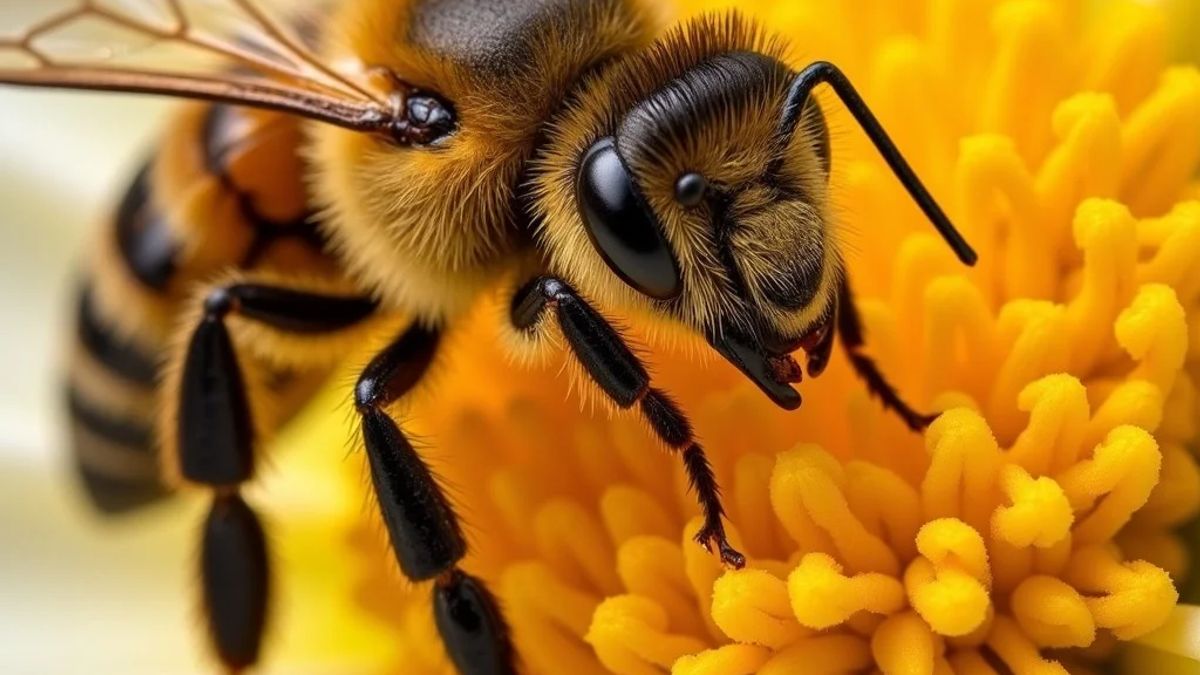
Let's start with a fact that should humble us: one out of every three bites of food we eat is thanks to pollinators, primarily bees. That afternoon apple, the almonds in your granola, the strawberries on your dessert, the pumpkin in your pie, and the coffee for your morning brew—all exist because a bee did its job. This process, pollination, is the transfer of pollen from the male part of a flower to the female part, enabling fertilization and the production of seeds and fruit.
While wind pollinates some crops (like corn and wheat), the vast majority of fruits, vegetables, and nuts require animal pollinators. Honeybees get most of the fame, but they are just one part of the story. In our gardens, we are host to a dazzling array of native bees—over 4,000 species in North America alone! These include plump, fuzzy bumblebees that "buzz pollinate" tomatoes by vibrating their flight muscles, solitary mason bees that are prolific spring pollinators, and tiny, metallic green sweat bees. Each species has its own specialties and preferences, making a diverse bee population crucial for a resilient garden.
More Than Just Honey: The Ripple Effect of a Bee's Work
The importance of bees stretches far beyond our vegetable patches. They are keystone species in wild ecosystems, pollinating flowering trees, shrubs, and wildflowers. These plants provide food and habitat for countless other creatures, from birds to butterflies to small mammals. The berries a bird eats, the seeds a mouse collects—all often originate from a bee's visit. By supporting bees, we support the entire local food web, creating a thriving, vibrant natural community right in our neighborhoods.
Furthermore, the presence of bees is a brilliant barometer of environmental health. A garden buzzing with bees is a garden in balance—one that likely uses fewer pesticides, boasts a variety of plants, and offers shelter to other beneficial insects. Cultivating a bee-friendly space is the ultimate act of sustainable gardening.
Why Bees Are Buzzing Off: A Quiet Crisis
Despite their importance, bee populations are under unprecedented threat. The much-publicized colony collapse disorder in honeybees is just one facet of a larger problem. The challenges are multifaceted:
- Habitat Loss: The conversion of wild spaces and even diverse gardens into manicured lawns and non-flowering landscapes creates "food deserts" for bees.
- Pesticides: Widespread use of insecticides, particularly neonicotinoids, can poison bees directly or weaken their navigational abilities and immune systems.
- Disease and Parasites: Varroa mites devastate honeybee hives, while native bees face their own pathogens.
- Climate Change: Shifting seasons and weather patterns disrupt the synchrony between bee emergence and flower blooming.
The good news? The single most powerful thing we can do to combat this is also the most beautiful: plant a bee-friendly garden.
Cultivating a Bee Sanctuary: Your Garden as a Refuge
Transforming your outdoor space into a bee haven is simple, rewarding, and doesn't require a huge plot of land. Even a container on a balcony can offer a lifeline. Follow these principles to roll out the welcome mat:
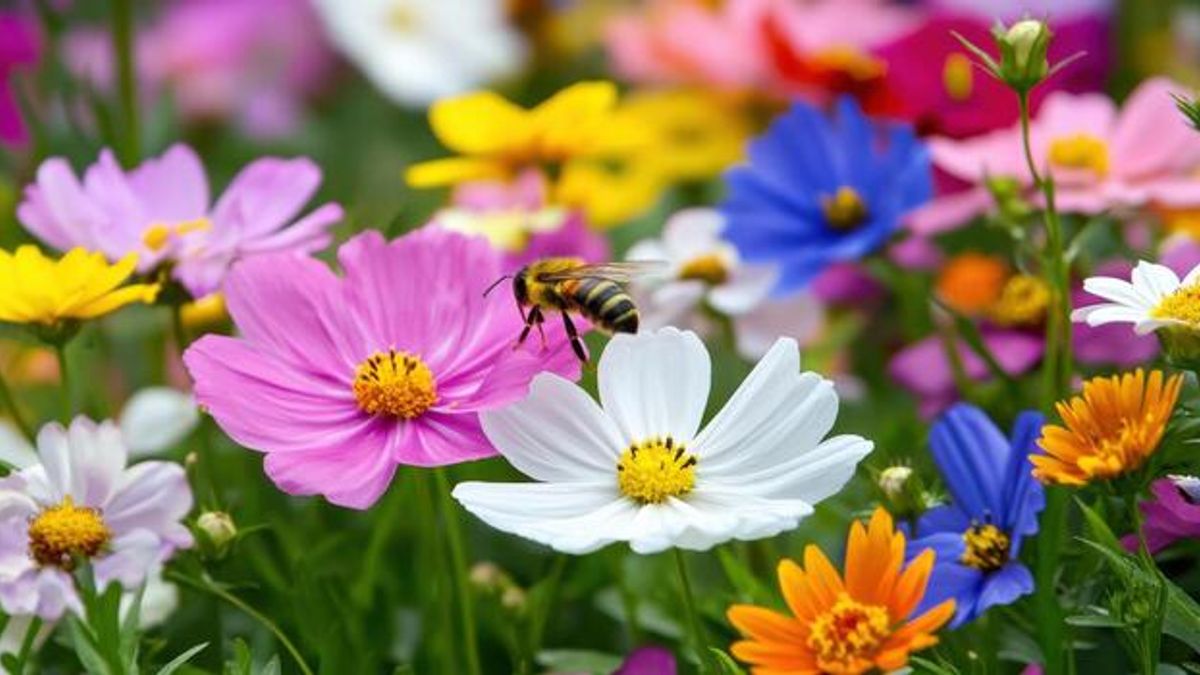
- Plant for a Continuous Bloom: Bees need food from early spring to late fall. Plant a sequence of blooms so something is always offering nectar and pollen. Start with crocus and willow in spring, move to borage and lupines in summer, and finish with asters and sedum in autumn.
- Go for Singles, Not Doubles: Fancy, double-flowered varieties often have so many petals that bees cannot access the pollen and nectar. Choose old-fashioned, single-flower varieties.
- Embrace Color and Shape: Bees see the world differently than we do. They are particularly attracted to blue, purple, white, and yellow flowers. Offer a variety of shapes—tubular flowers for long-tongued bees, and open, daisy-like flowers for others.
- Ditch the Pesticides: This is non-negotiable. If you must control pests, seek out organic, bee-safe methods or practice integrated pest management.
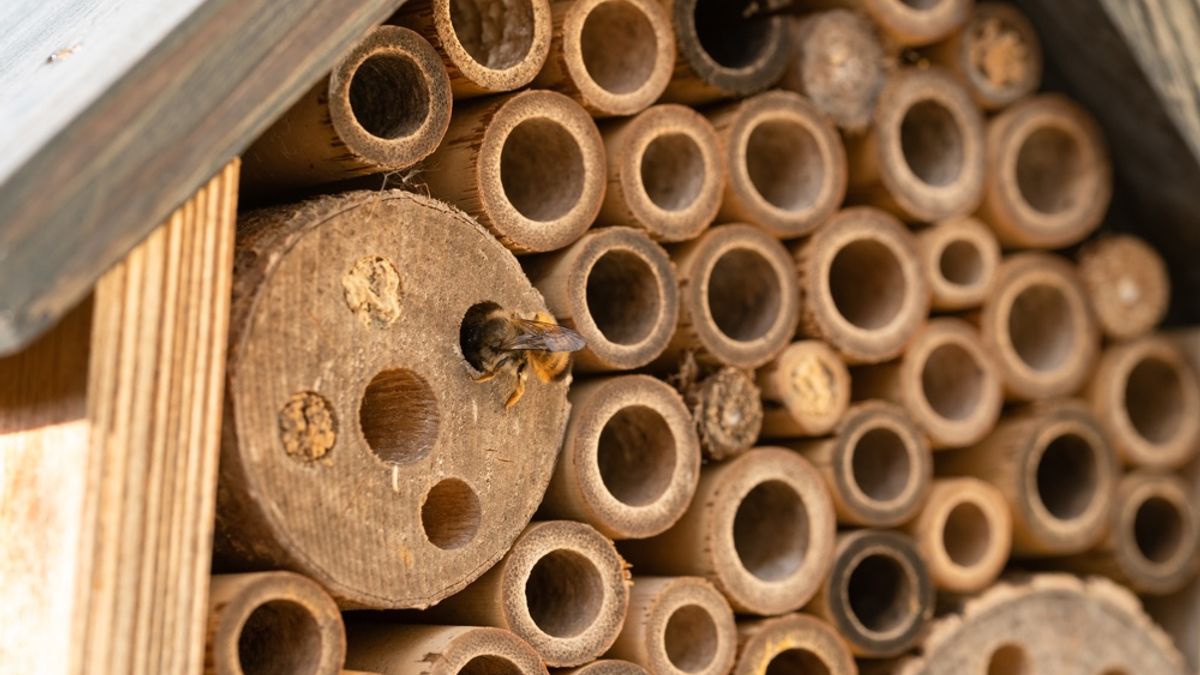
- Leave a Little Wild: Provide nesting sites. Most native bees are solitary and nest in the ground or in hollow stems. Leave a bare, sunny patch of soil for ground-nesters, and avoid cutting back all your dead plant stems in the fall. Consider installing a simple "bee hotel" with hollow bamboo tubes.
- Offer a Drink: A shallow dish or birdbath with clean water and pebbles or marbles for bees to land on provides essential hydration.
The Joy of Buzzing Back
Creating a garden for bees is not a sacrifice; it's an invitation to more life, more color, and more abundance. It reconnects us to the fundamental rhythms of nature. The gentle hum of bees becomes the soundtrack of a healthy garden, a sound of productivity and peace.
So, the next time you see a bee lumbering from flower to flower, see it for what it truly is: a humble hero, an essential worker in the garden of the world. By planting a bee-friendly garden, you are doing far more than just beautifying your yard. You are casting a vote for biodiversity, taking a stand for your food system, and participating in one of the most hopeful conservation movements there is—one seed, one flower, one bee at a time. Let's get buzzing.