Sowing Community, Growing Self-Sufficiency: A Seed Share Story from County Clare
There’s something magical about standing in a garden in County Clare, holding a tiny speck of a seed that you know will become a feast in a few months. For me, gardening isn’t just a hobby; it’s a way of life. It’s about being self-sufficient, reducing our reliance on the supermarkets, and reconnecting with the earth. One of my favorite events to celebrate this lifestyle is the annual Seed Share & Swap Day, which unfortunately just passed us by on Sunday, 22nd March.
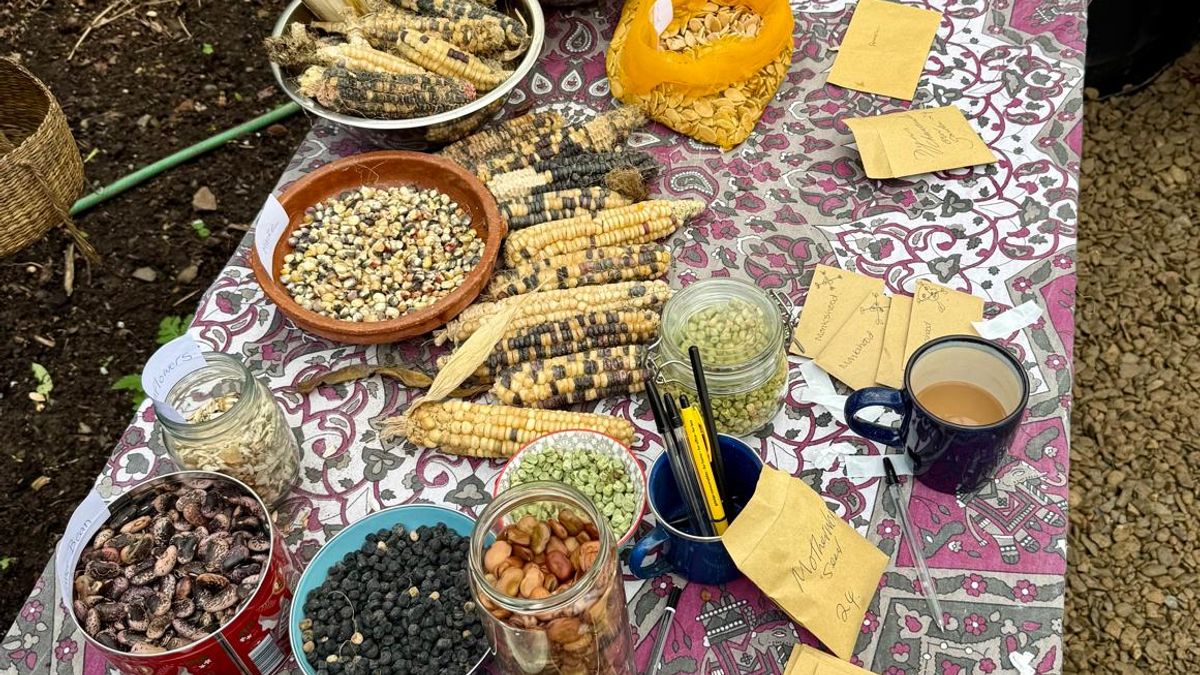
Held from 11am to 4pm, this event is the heartbeat of our local growing community. The concept is beautifully simple: it is free to come and share seeds if you have them, or take some if you need them. It is a beautiful cycle of generosity. We set up in a local hall, and suddenly the room is buzzing with talk of soil types, blight resistance, and the best variety of carrot for the heavy Irish soil. Seeing the table piled high with saved seeds—from heritage peas to hardy kale—reminds me that we don’t need to rely on big corporations for our dinner.
Of course, this year’s event has passed, but if you missed it, I cannot encourage you enough to put it in your calendar for next March. Whether you have a sprawling acre or just a few raised beds, being part of a seed-sharing community changes how you garden.
Timing & Tools for the Irish Climate:
For those of us in the west of Ireland, timing is everything. March is the perfect moment to start sowing. The soil is just beginning to warm up, and the risk of the harshest frosts is diminishing. At the Seed Share, we always emphasize the "why" behind the date. By sowing now, we are setting ourselves up for abundance in the late summer and autumn months.
But if there is one tip I have learned over the years for true self-sufficiency, it is this: you need to think about winter in March. In County Clare, the weather is temperamental. To keep the cycle growing and save seeds for the next year, you really need a polytunnel or a sturdy greenhouse. It doesn't have to be huge, but having a protected space allows you to start tender crops earlier and, more importantly, extend the season well into the autumn. Without one, you are at the mercy of the Atlantic weather.
Tips & Tricks for the Self-Sufficient Gardener:
If you are looking to move toward a lifestyle where you rely less on the shops and more on your own land, here are a few things I practice:
- Save Everything: The phrase on our flyer says "save the seeds to keep the cycle growing." That is the motto. Let your lettuce bolt, let your beans dry on the vine. Saving seeds not only saves money but also acclimatizes the plants to your specific soil and weather over time.
- Invest in Shelter: As mentioned, a polytunnel is worth its weight in gold. It allows you to grow tomatoes, peppers, and cucumbers that would struggle in the open Clare air. It also gives you a dry place to work in the winter months.
- Succession Sowing: Don't plant all your carrots or lettuce at once. Sow a small row every two weeks. This ensures you have a steady supply rather than a glut all at once, which leads to less waste and a fuller pantry for longer.
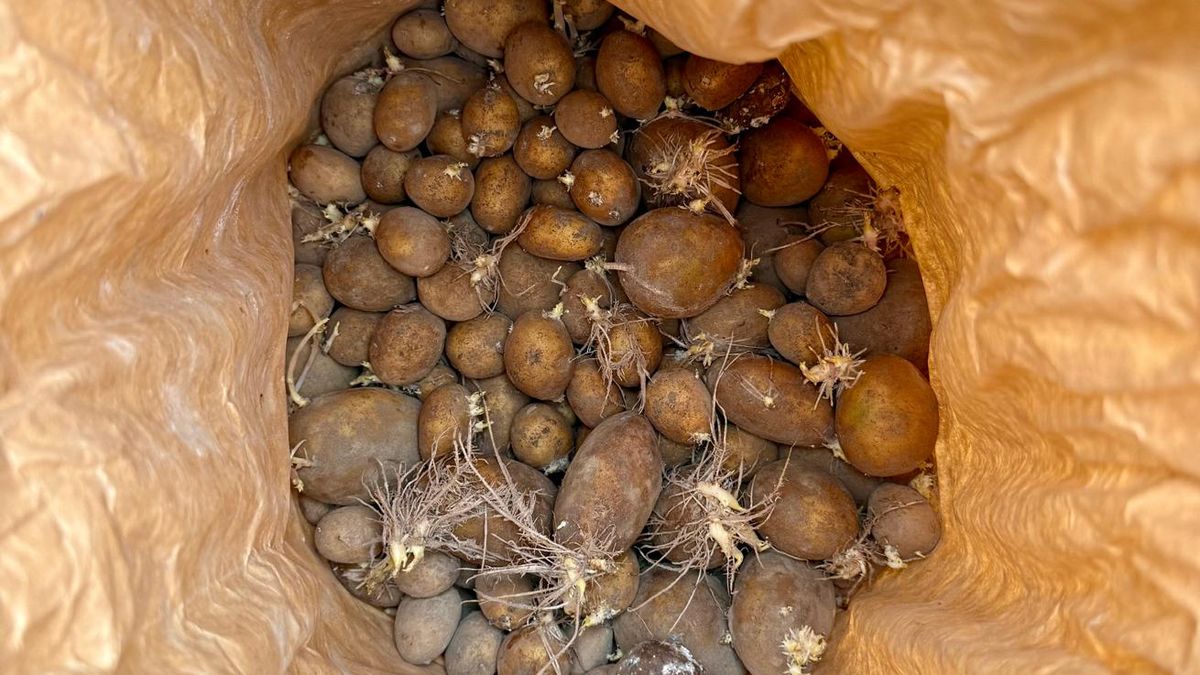
- Watch the Weeds: The old farmers here say to plant your potatoes when the ash tree leaves are the size of a mouse’s ear. Nature knows best—watch what the native plants are doing to gauge the perfect timing.
Events like the Seed Share & Swap Day are about more than just swapping beans and lettuce. They are about resilience. When we share seeds, we share stories. We learn which varieties survived the last harsh winter and which slugs ignored. There is a deep sense of security in knowing that your neighbors are growing alongside you.
So, while you might have missed the swap this March, I hope you feel inspired. Mark the date for next year, get in touch with Brendan or myself (0851368998 for info), and start dreaming of your garden. Let’s grow together, save our seeds, and keep the cycle going. See you next March!