Beyond the Lawn: How to Fill Your European Garden with Colour and Life
There is something quietly beautiful about a well-kept lawn. But step into almost any traditional European garden — from a Provençal farmhouse courtyard to a Portuguese quinta — and you will find something far richer than a rectangle of grass. You will find structure, scent, and stories told in petals.
Across Europe, gardens are considered living rooms. In Italy, a garden without a focal point is unfinished. In the Netherlands, a window box is as important as the front door. In England, the herbaceous border is practically a national institution. This cultural relationship with the garden goes far deeper than aesthetics — it is about slowing down, stepping outside, and connecting with the rhythm of the seasons. A well-planted garden rewards every sense, morning through evening, month after month.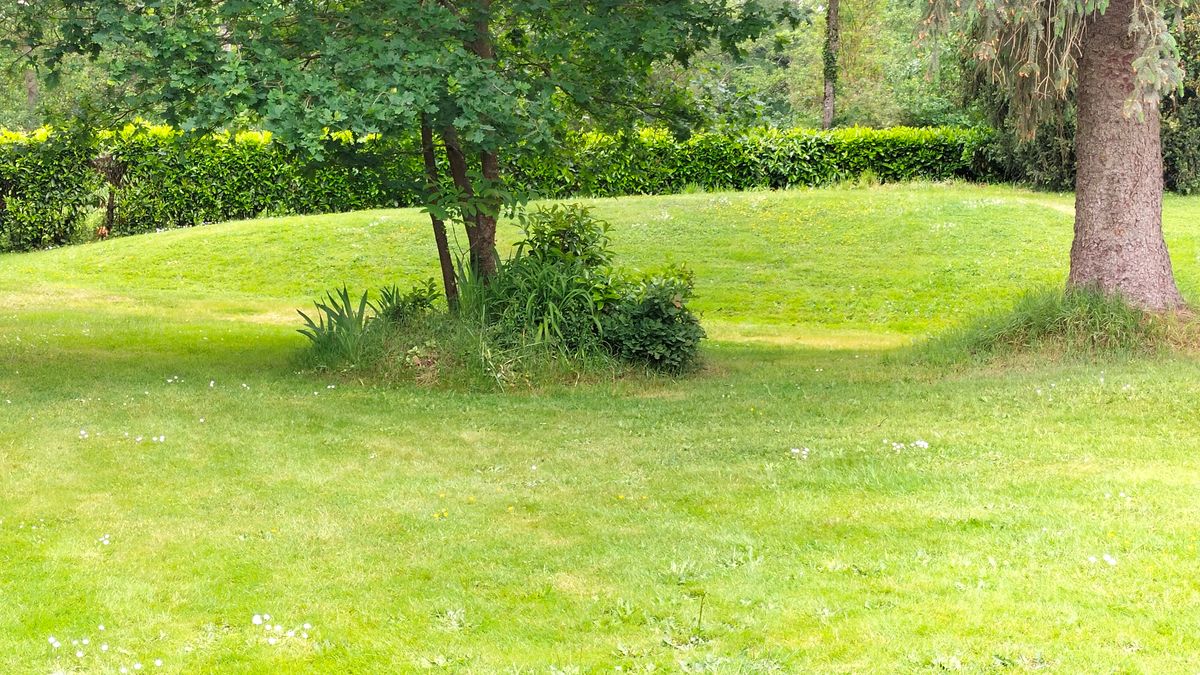
Why Stop at Grass?
A lawn alone demands constant attention — mowing, feeding, watering — yet gives back very little. A garden filled with flowering plants, on the other hand, rewards you every week from February through to November. Bees visit, butterflies settle, evenings outside become genuinely peaceful. You stop maintaining and start living.
Starting from Scratch
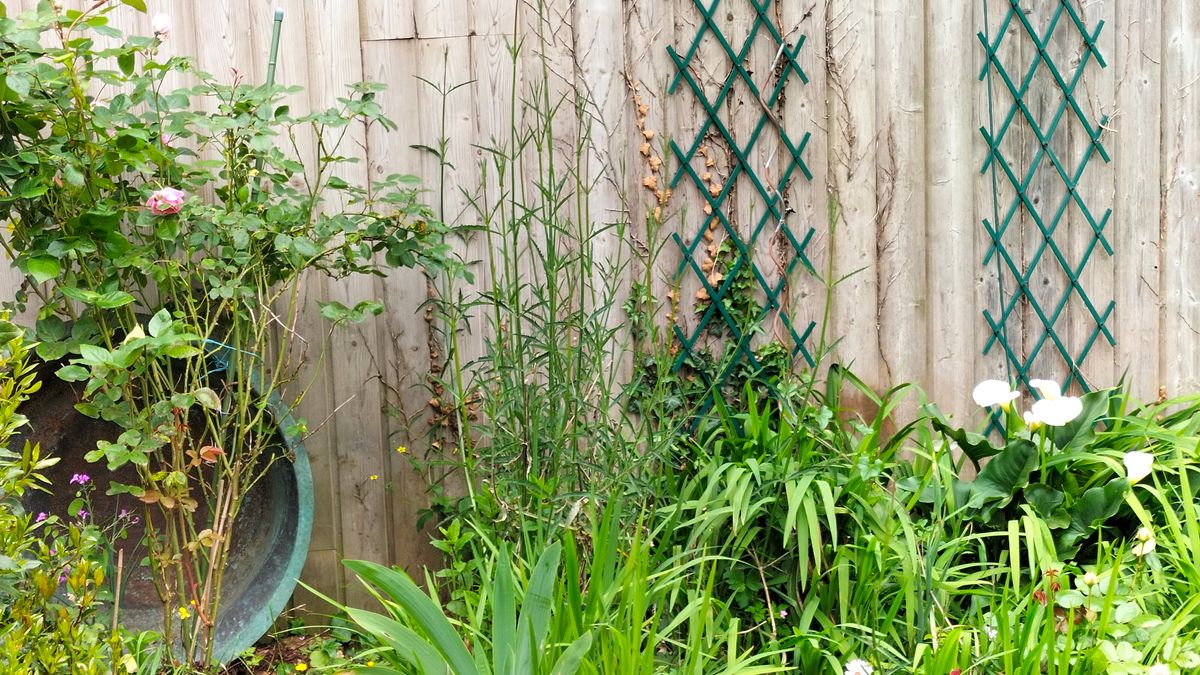
If your garden is currently an empty plot or a tired patch of turf, do not be intimidated. Start with structure: define your paths first, then choose one or two anchor plants before filling in with colour and texture.
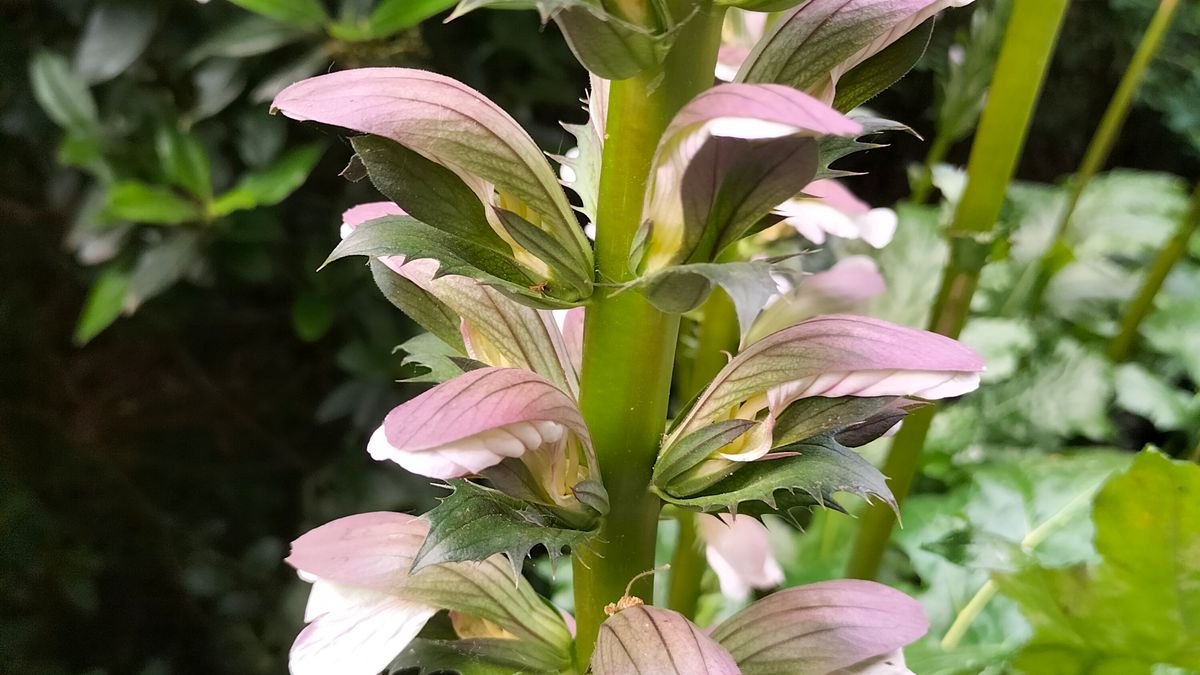
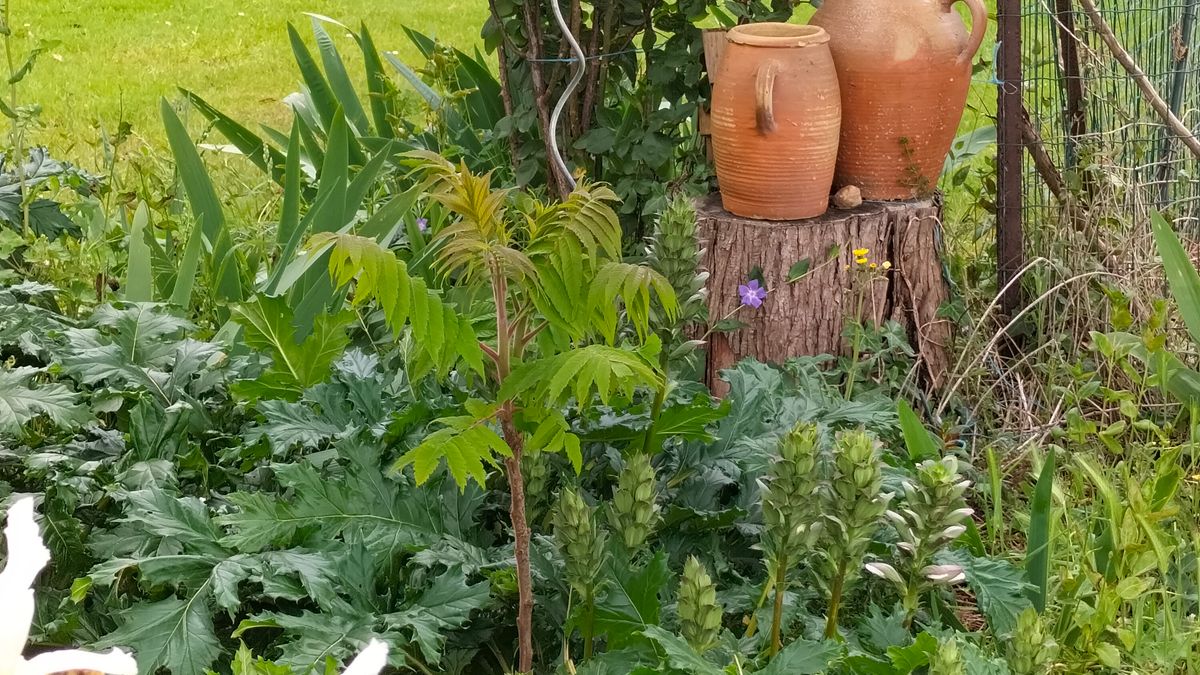
Bear's Breeches (Acanthus mollis) is one of the most dramatic anchors you can grow — its tall purple-hooded flower spikes rise above deeply sculpted leaves and need almost no care once established.
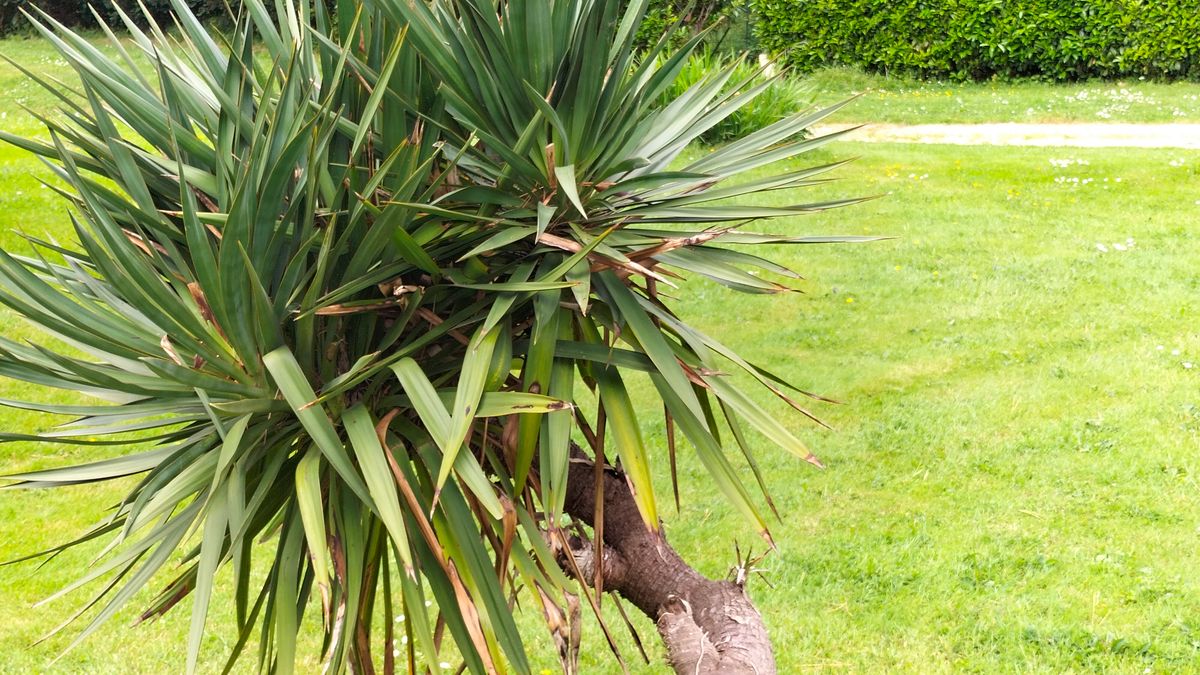
For an exotic silhouette that holds its presence all year round, the Cabage Palm (Cordyline australis) is suprisingly hardy across much of western and southern Europe and adds instant Mediterranean character to any space.
Layers of Colour Through the Season
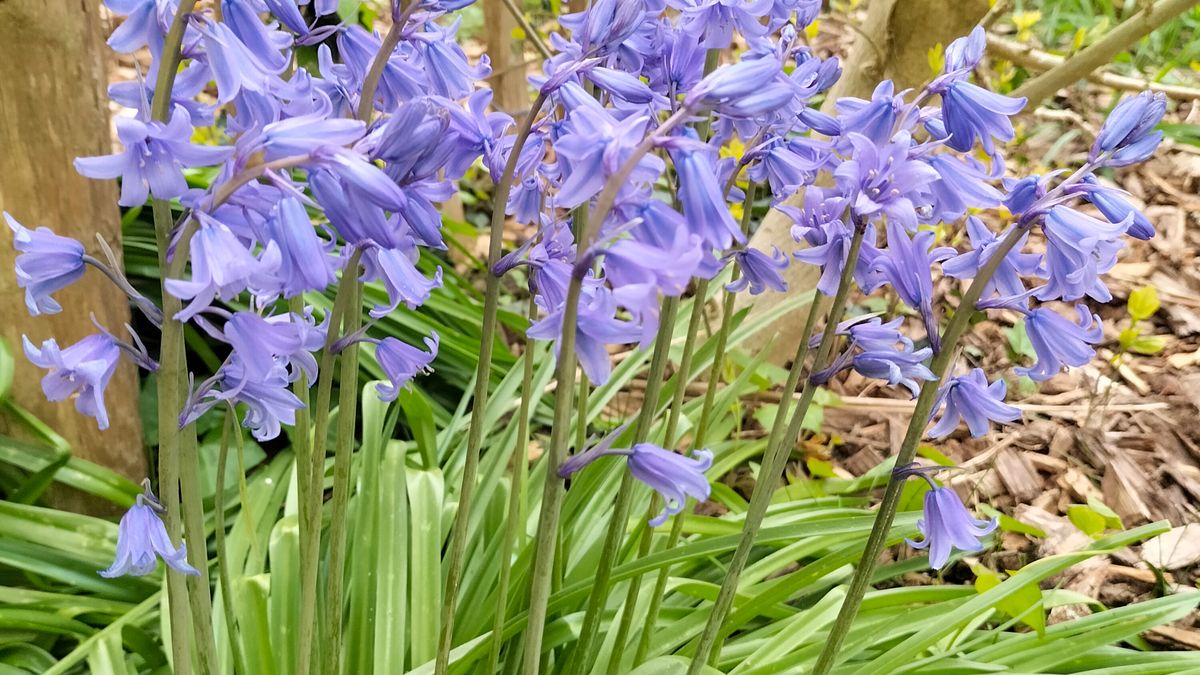
Once structure is in place, the fun begins. Open spring with drifts of Spanish Bluebell (Hyacinthoides hispanica) — naturalistic, self-seeding, and breathtaking when planted en masse beneath trees or along a shaded border.
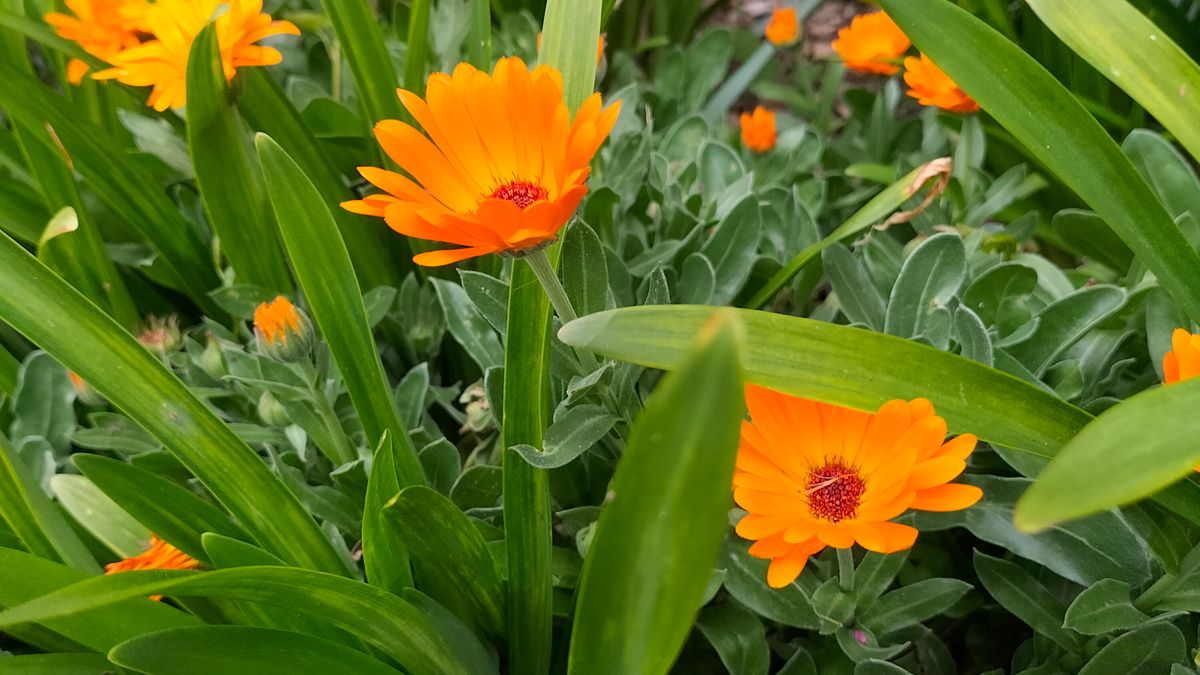
Move into summer with the vivid warmth of Pot Marigold (Calendula officinalis) in deep orange - one of Europe's most beloved cottage garden plants and a natural companion to vegetables and herbs alike.
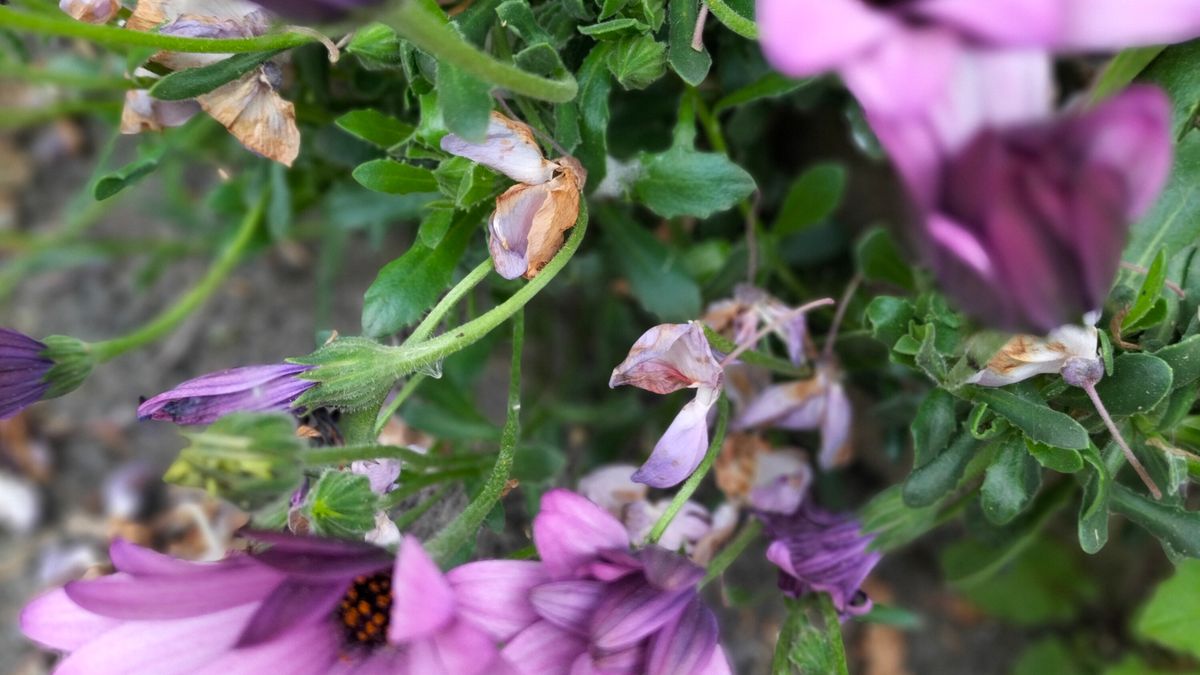
For colour that lasts from late spring through autumn, the African Daisy dazzles in rich purple, thriving in full sun and perfectly happy in a container on a terrace or balcony.
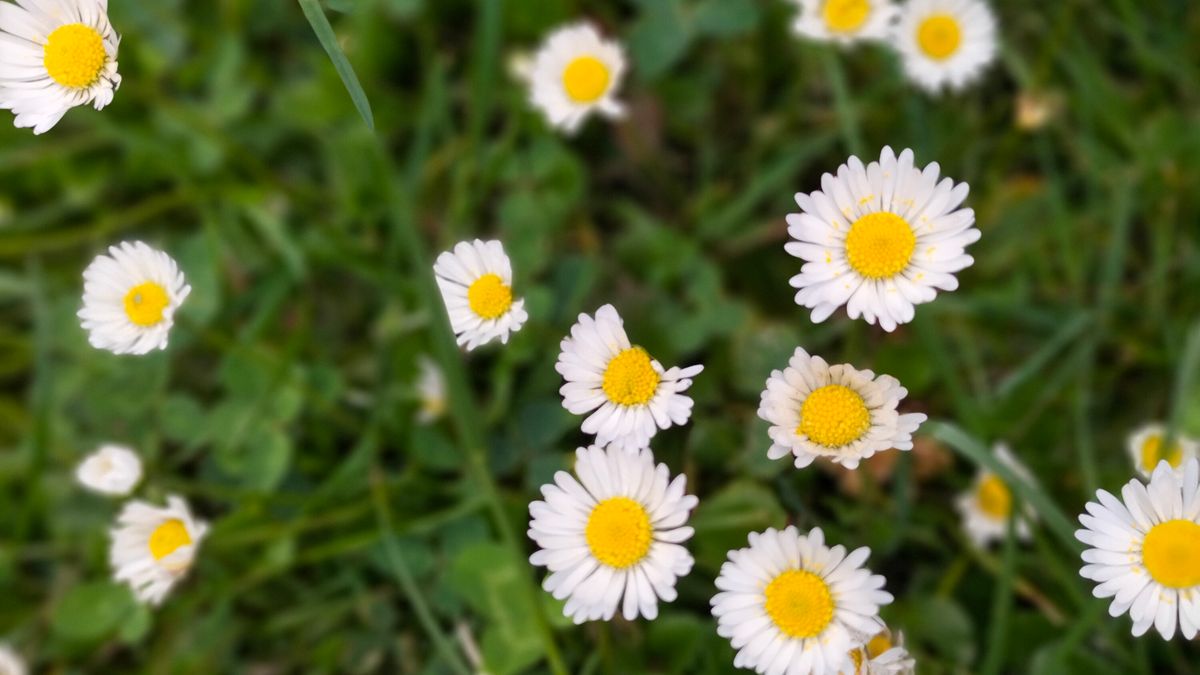
At ground level, the cheerful Common Daisy (Bellis perennis) threads through border edges with effortless charm - its white petals with bright yellow center are one of the most reconised flowers in Europe.
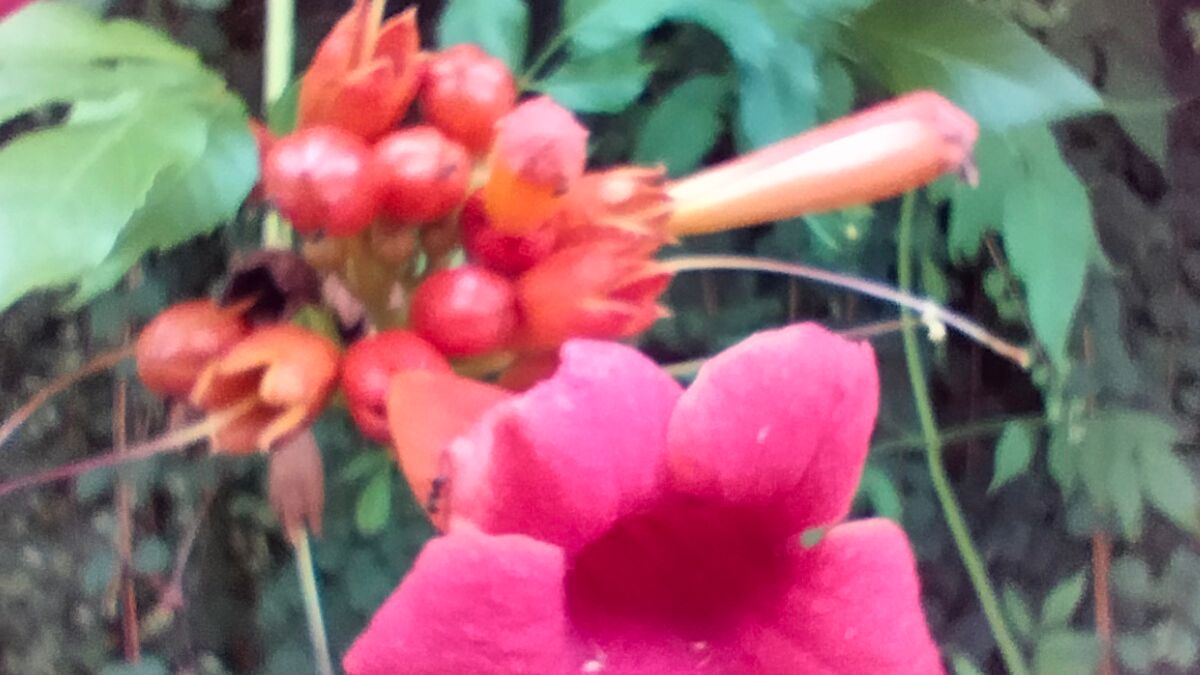
If you have a wall, fence, or pergola to cover, Trumpet Vine (Campsis radicans) will reward you spectacularly - its vivid orange-red trumpet-shaped flowers attract hummingbird hawk-moths and gives any structure an instant sense of established age.
Water Features and Container Planting
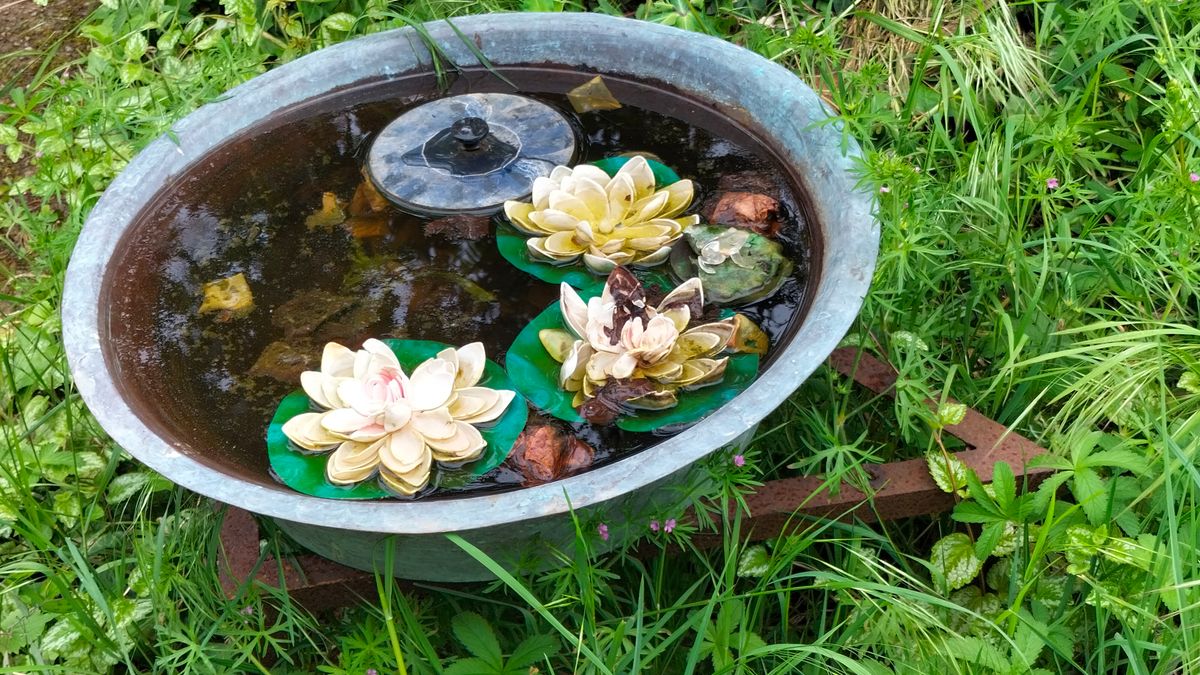
You do not need a large space to create real impact. A galvanised steel bowl, a few aquatic plants, and a small solar pump can transform a corner of a terrace into a genuine focal point that draws the eye and calms the mind.
Even a weathered tree stump, crowned with terracotta pots and bold-leaved specimens, becomes a conversation piece that guests will always notice.
Finding Professional Help
If the project feels too large to tackle alone, bring in a professional. Search for certified landscape gardeners through bodies such as the RHS Find a Contractor scheme (UK), the Société Française des Architectes-Paysagistes (France), or your own national horticultural association. Always ask for a portfolio and at least three client references before signing anything.
Before you pick up the phone, do what i did spend an evening planning your vision using the Dreamscape Gardens Garden Designer — a free, easy-to-use tool that lets you sketch your layout, experiment with plant combinations, and produce a plan to share directly with your contractor. It turns a vague wish into a clear brief, and contractors appreciate it enormously. I use this App to keep a Journal of my garden throughout the year and would not hesitate to sujest it to other people passionate about their garden.
Plant Swapping — The Smarter Alternative
Here is a secret experienced gardeners rarely advertise: most plants you will ever need can be obtained for free. Hostas, ferns, ornamental grasses, perennials of every description — they multiply year after year, and gardeners are generous people.
Yucca (Yucca filamentosa) produces offsets freely — one plant quickly becomes five. Baby's Tears (Soleirolia soleirolii) spreads beautifully as a soft bright-green ground cover and roots from almost any cutting pressed into damp soil.

Search "plant swap" or "plant share" in Facebook Groups or Nextdoor for your area. The generosity - and diversity - of what is freely exchanged will astonish you.
The Garden as a Living Room
A garden well planted is a garden well lived in. Build a shrub border anchored by variegated Dogwood (Cornus) — its striking cream-and-green leaves brightening shaded corners — alongside Butterfly Bush (Buddleja) for late-summer colour and a magnet for every pollinator in the neighbourhood.

This is what European garden culture has always understood: a garden is not a chore. It is a place. And the the best time to start making it yours is right now.
Now — Test Your Flower Knowledge!
Dreamscape Gardens has recently released this new Quiz feature that anyone can add to their blog articles so I thought I would try it out!. Think you know your European garden flowers? I have put together a quiz packed with some of the most beautiful — and sometimes surprising — blooms all found in my garden. Some are easy. Some will catch you completely off guard.
Take the quiz below and see how many you can name. I would love to hear from you fellow gardeners in the comments below! Have a beautiful day and maybe hear from you soon...
[QUIZ:2]