A Balcony Safari: The Surprising Insect Life of a French City
Even in the heart of a bustling French city, a balcony garden can become a vibrant micro-habitat, a stage for a fascinating drama played out by a host of six-legged visitors. You need only look closely to discover them. One of the most common and striking sights is the Firebug (Pyrrhocoris apterus), often seen congregating in sunny spots on walls and railings. With their vivid red and black markings, they are unmistakable, though they are often confused with another beautifully patterned insect, the Gendarme bug (Graphosoma italicum), whose intricate red and black design is more like a shield. These insects are mostly harmless, feeding on seeds and dead insects, and their presence adds a welcome splash of color to the urban landscape.

Your plants themselves will attract a different cast of characters. Among the leaves of succulents or herbs, you might spot the dark, intricately patterned nymph of the Western Conifer Seed Bug (Leptoglossus occidentalis). This North American native has made itself at home in Europe and, despite its name, its young can be found exploring various plants on balconies. Another common resident is the familiar Green Shield Bug (Palomena prasina). A true bug, it uses its sharp mouthparts to feed on plant sap. While a large number could be a nuisance, a solitary individual is simply part of the garden's ecosystem, and it offers its own magic by changing from bright green to a dull bronze in the autumn to camouflage itself for winter.

Beyond the insects that crawl, a balcony also serves as a landing strip for aerial hunters. It’s not uncommon to be visited by a magnificent dragonfly (ordre des Odonates), especially if there are parks with ponds or water features nearby. These ancient predators are a welcome sight, as they are voracious hunters of mosquitoes and other small flying insects. Their shimmering wings and acrobatic flight are a reminder that your balcony is not an isolated island, but a living part of a wider urban ecosystem. Taking a moment to observe these small visitors transforms a simple balcony into a dynamic, ever-changing nature reserve, proving that wildlife thrives everywhere, waiting to be discovered.

So, the next time you step out onto your balcony, take a moment. Look closer at the leaves of your potted plants and the sun-warmed railings. You might be surprised by the intricate beauty and bustling lives of the tiny creatures who share your space. This vibrant ecosystem doesn't require a sprawling countryside; it thrives in the heart of the city, offering a daily connection to the wilder world. Embrace your role as the keeper of this small sanctuary, and you'll find that the greatest gardens are not just the ones we build, but the ones we learn to see.
(Update 17/04/26) Welcome back to my balcony garden here in the beautiful west of France! You might think that living in an apartment means escaping nature's wilder side, but my little elevated green oasis has actually become a bustling hotspot for urban wildlife.
When you take the time to look closely between the leaves and pots, a whole miniature ecosystem reveals itself. Today, I’m updating you on a few fascinating—and occasionally startling—"creepy crawlies" that have decided to pay my balcony a visit.
The Impressive Night Hunter
Let’s start with the most dramatic guest. If you aren't a fan of spiders, this one might make you jump!
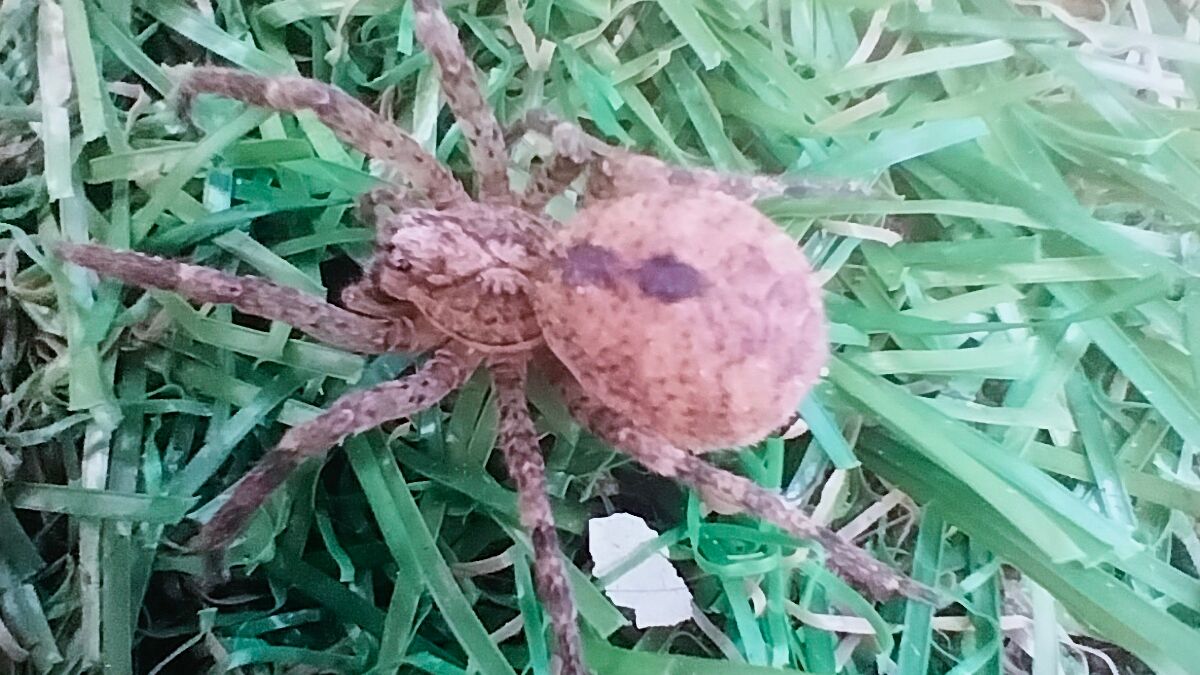
This rather large, fuzzy arachnid with striking markings on its back is a False Wolf Spider (Zoropsis spinimana). Because of the dark pattern on its head, which some say resembles a vampire's face, it has earned the spooky nickname, the "Nosferatu Spider." Originally from the warmer Mediterranean regions, they have become incredibly common here in the west of France.
While its size and thick legs make it look intimidating as it roams across my balcony turf, it’s actually a great neighbor to have. These spiders don't spin messy webs in the corners of your walls; instead, they are active, roaming hunters that patrol for other bugs at night. They are harmless to humans and act as fantastic, free pest control for my plants!
The Neon Master of Disguise
Next up is a visitor I almost completely missed.
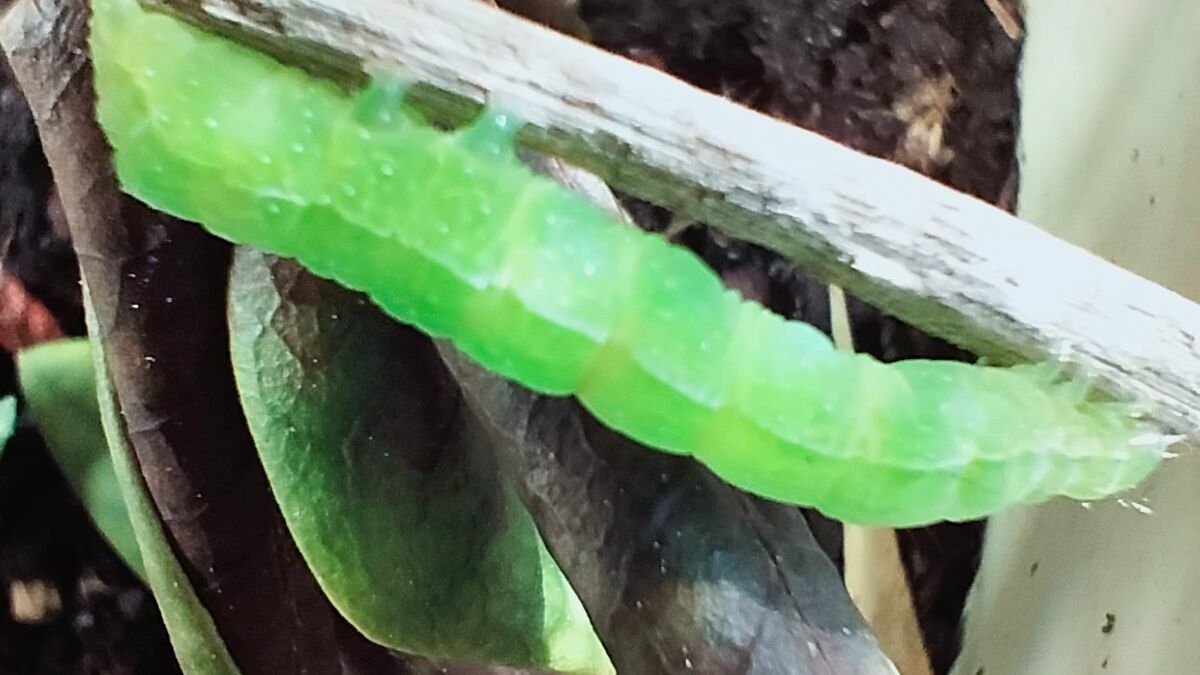
Hidden amongst the brown stems and green leaves of my planters, I found this vibrant, neon-green caterpillar. Its color is a perfect evolutionary trick, allowing it to blend in seamlessly with fresh spring foliage to hide from hungry birds.
This little eating machine is the larval stage of a moth, likely belonging to the Noctuidae family. While a balcony gardener always has to keep a watchful eye on hungry caterpillars to make sure they don’t decimate a prized plant overnight, I usually let them be. I love knowing that my balcony is providing a waystation for local butterflies and moths.
The Harmless Imposter
Finally, we have a master of deception. When this buzzing insect first landed on the soil of my pots, I froze, thinking I had a wasp problem.
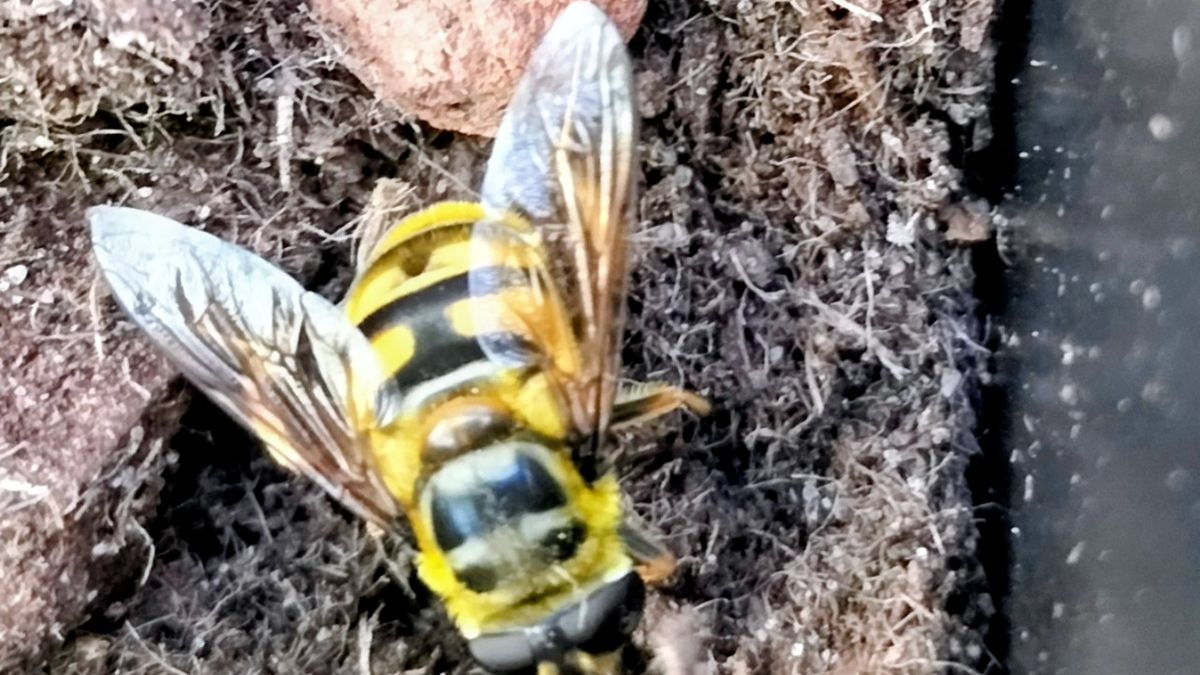
But look a little closer! Notice the very large, round eyes taking up most of its head, and the fact that it only has one pair of wings? This isn't a wasp at all; it’s a Hoverfly (family Syrphidae).
This clever little insect uses a survival tactic called Batesian mimicry. By dressing up in the yellow and black warning colors of a stinging wasp, it tricks predators into leaving it alone. In reality, hoverflies are completely harmless and cannot sting. In fact, they are some of the best guests a gardener could ask for! The adults are fantastic pollinators for my balcony flowers, and their larvae are famous for eating pesky aphids.
Sharing my balcony with these mini-beasts is a wonderful reminder of the biodiversity thriving right outside our doors. Have you spotted any interesting bugs on your patio lately? Let me know in the comments!
[QUIZ:1]